Christmas Gift Trends 2026: 12 Ideas, Ranked by How Long They Last
Trend lists tell you what is selling. They rarely tell you what survives January. Here is what the holiday research says about 2026, twelve gifts that follow from it, and the single category that cannot be bought twice.
myComics Team9 min read
Quick answer
- The 2026 story is not "people are spending more" — it is that budgets are tighter and meaning is the tiebreaker. Deloitte finds shoppers trading down, hunting deals, and making things by hand rather than buying them.
- Experiences are holding up better than objects, and personalization has moved from a nice touch to the thing a gift is judged on.
- The twelve ideas below are sorted by shelf life: what gets used in January, not what photographs well in December.
- A personalized comic book is the one item on the list that literally cannot be given to anyone else — the story and the faces in it only work for one person.
- If it is going to be printed, the deadline is the only part of this you cannot speed up. Work backwards from the date.
Most Christmas trend lists are inventory reports. They describe what retailers bought in June and are hoping to clear by December, which is useful if you are a retailer and close to useless if you are trying to give one person something they will still care about in March.
This one is organised differently. It starts with what the published holiday research actually found about how people are buying this year, and then lists twelve ideas that follow from it — sorted not by how new they are, but by how long they survive contact with January.
What is actually driving Christmas gift buying in 2026?
Three findings do most of the explanatory work.
Budgets are tight and shoppers know it. Deloitte’s Holiday Retail Survey found consumers planning to spend less than the prior year and getting creative about it: the overwhelming majority intend to hunt for deals, roughly three quarters expect to trade down on brands and retailers, and around half plan to make gifts by hand instead of buying them. That last number is the interesting one. Handmade is not a budget category; it is a meaning category that happens to be cheap.
The overall pot is still enormous. NRF reported holiday sales passing a trillion dollars for the first time, with an average per-person holiday budget near the highest in the survey’s two-decade history. Tight and large at the same time is not a contradiction — it means the money is being redistributed toward fewer, more deliberate purchases rather than withdrawn.
Experiences are losing ground more slowly than objects. In the same Deloitte data, planned spending on experiences fell roughly half as much as planned spending on retail goods. People are not abandoning things; they are abandoning things that do nothing.
Layered on top is the aesthetic read. Pinterest Predicts built its 2026 list from billions of searches and landed on trends that are tactile, nostalgic and unapologetically maximalist — squeezable objects, saturated colour, decades revisited. And the Etsy Seller Handbook trend report describes buyers moving away from curated perfection toward hobby kits, oddity, and anything that makes an ordinary week feel like an occasion.
Put plainly: people want fewer gifts, with more of the giver in them.
Which gift trends are worth following this year?
Twelve, ordered by shelf life — what is still in use in spring, not what looks best under a tree.
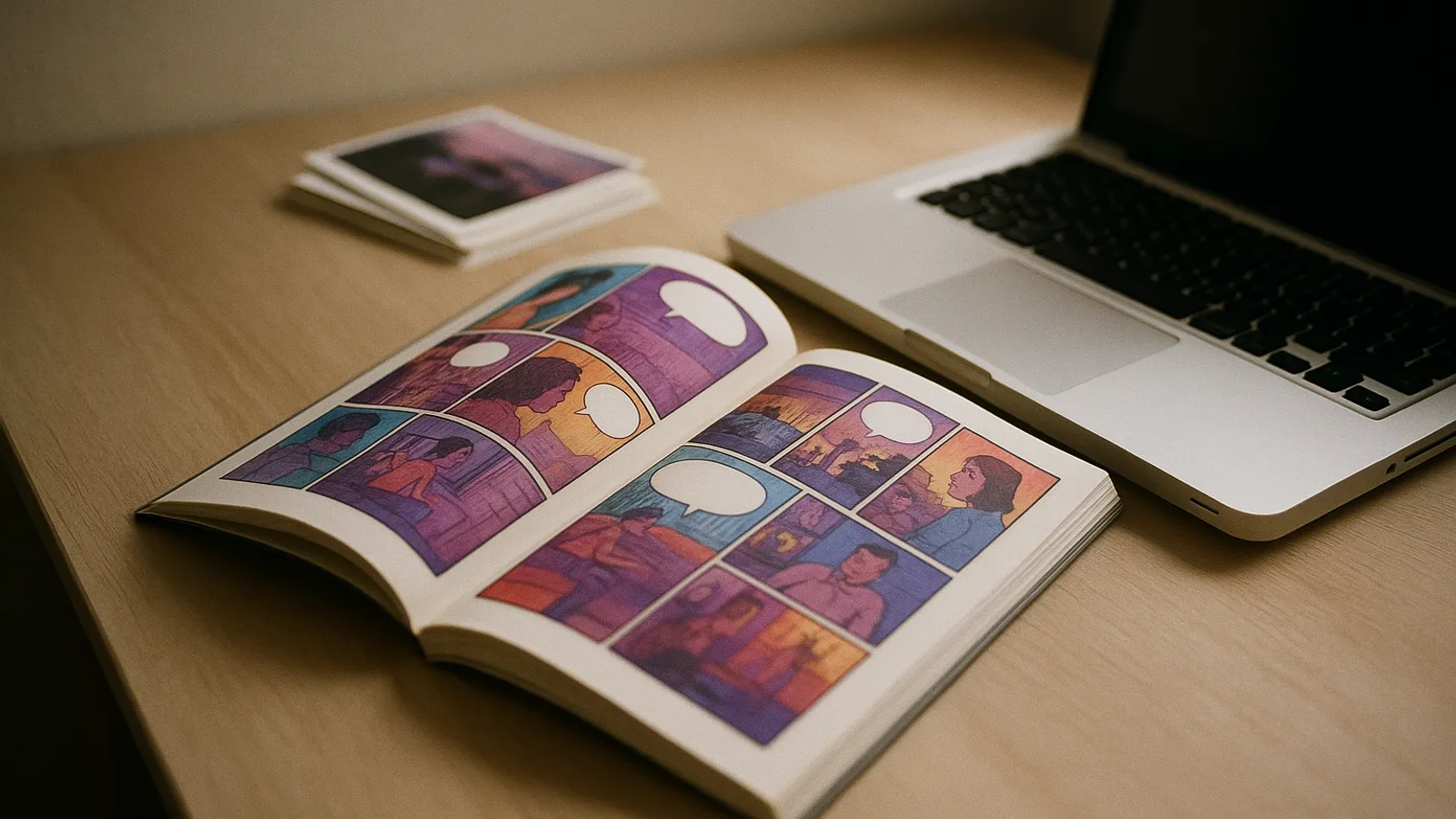
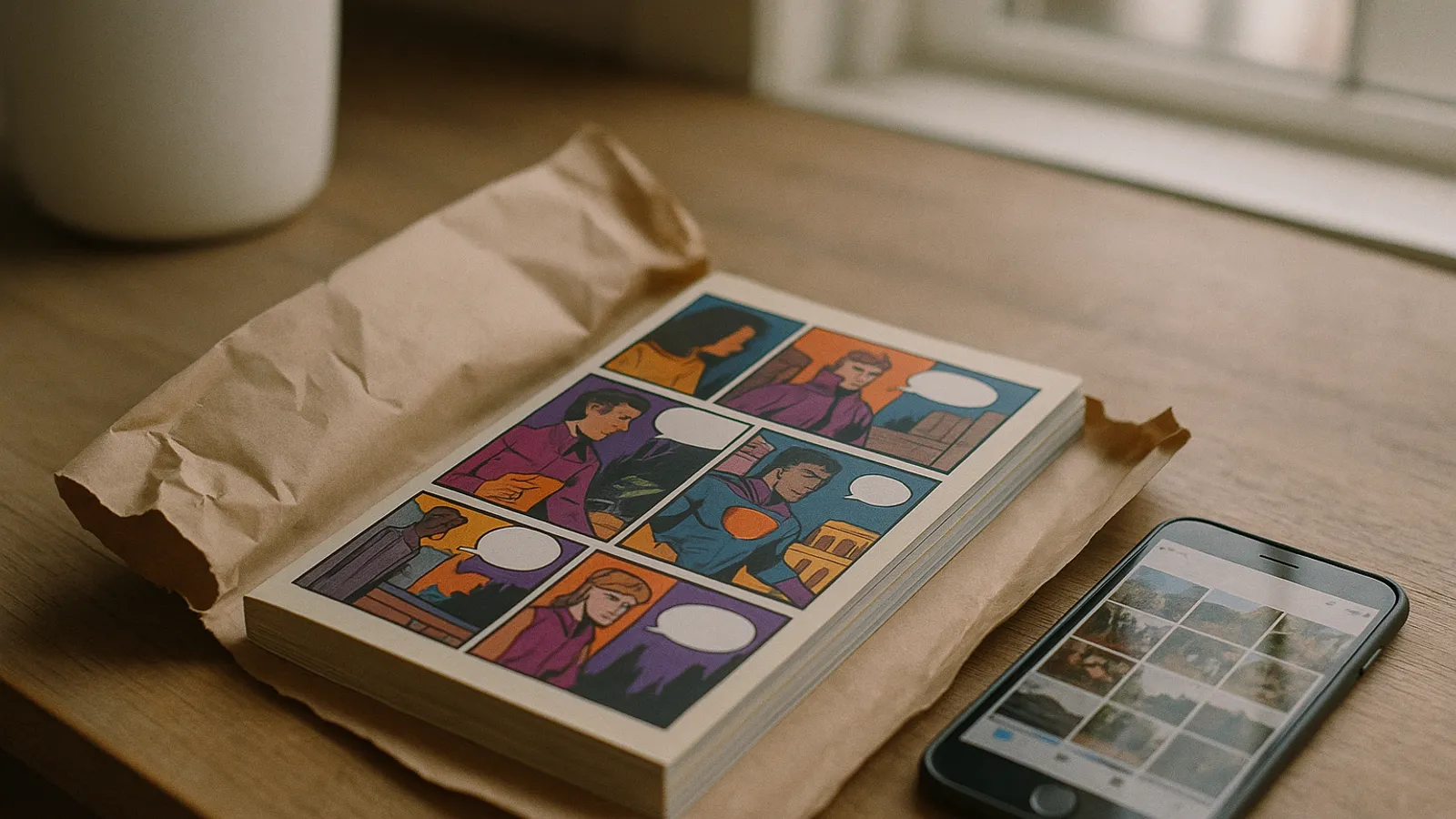
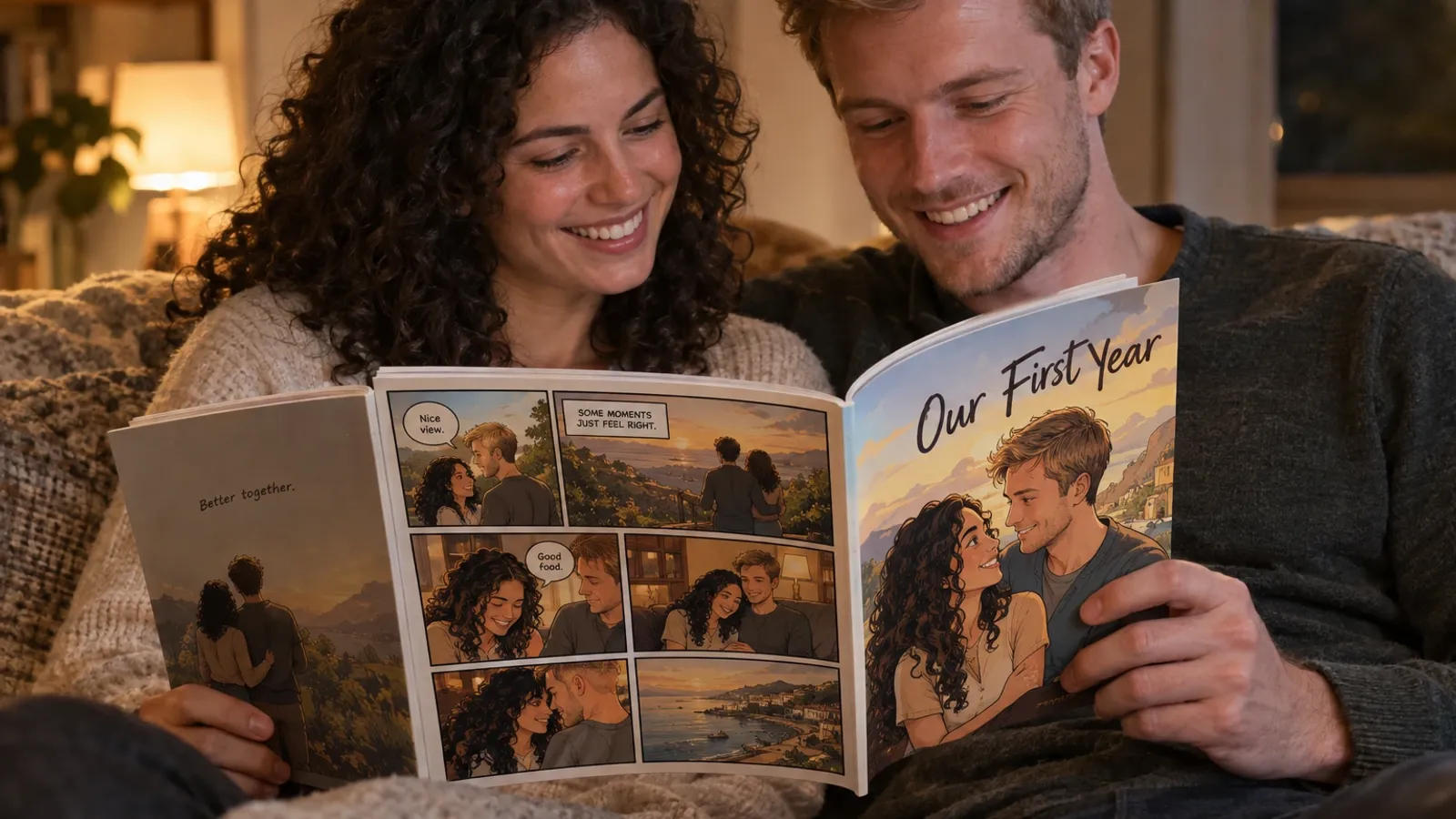
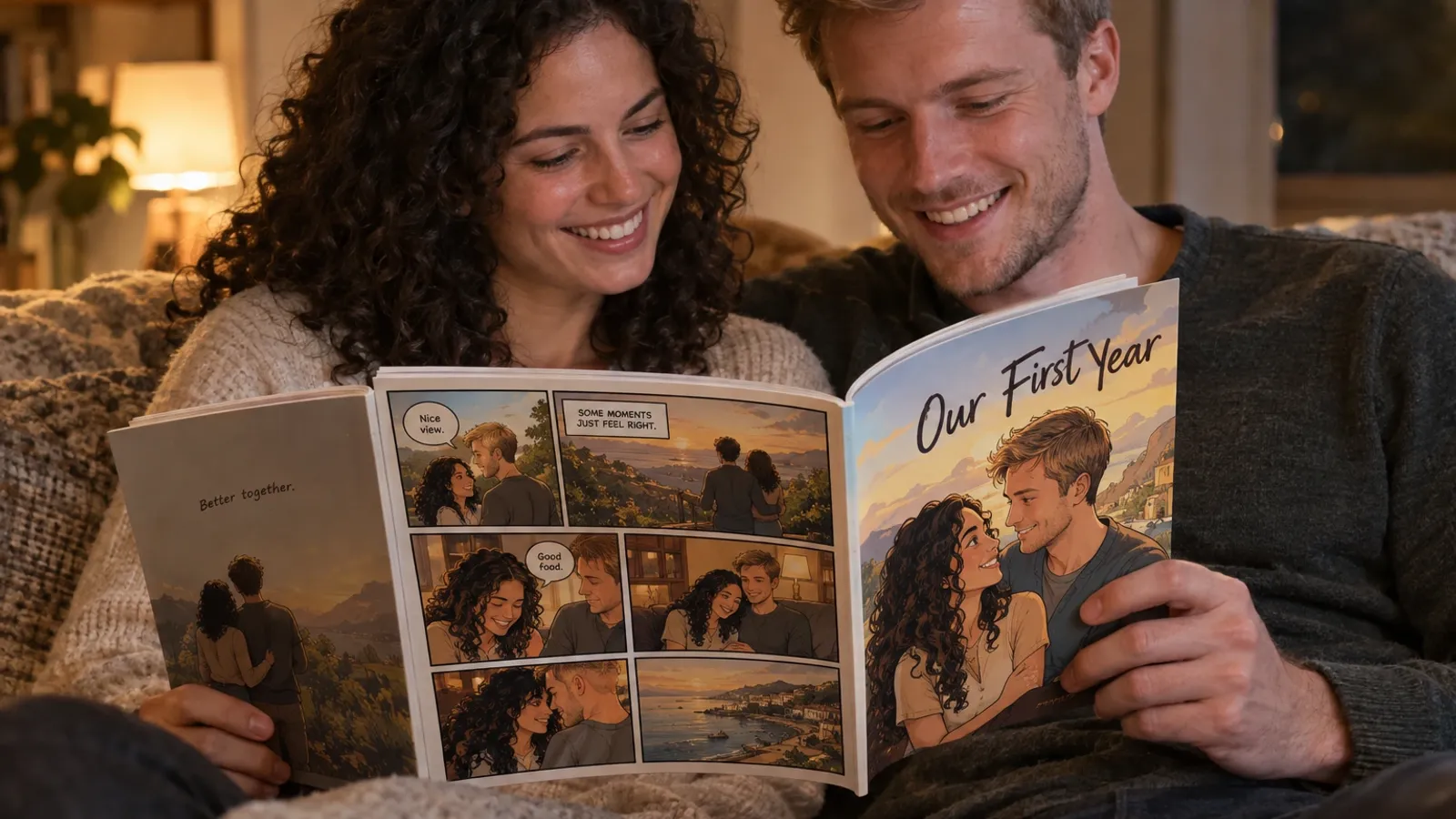
1. A personalized comic book starring the recipient. The whole list in one item, which is why it is first: it is an experience (you make it, they read it), an object (you can print it), and it is the only entry here that literally cannot be given to a second person. More on why below.
2. A hobby starter kit, chosen specifically. Etsy’s own trend reporting puts hobby kits near the front of 2026 buyer behaviour. The failure mode is generic — a “pottery kit” is a shrug. A kit for the specific thing they mentioned wanting to try in August is a different gift entirely.
3. Experiences with a physical anchor. A cooking class plus the knife, a concert plus the print, a trip plus the book you make afterwards. This is the trend to internalise: the experience is what they remember, the object is what reminds them.
4. Photo keepsakes that are not just photos. Photo books, framed enlargements, and printed calendars sell every year because they work. The upgrade this year is doing something with the photos rather than arranging them — see the guide to turning photos into comic pages for the least obvious version.
5. Something for the pet, which is really for the owner. Pet-themed gifts keep showing triple-digit search growth and remain one of the least saturated corners of gifting. A comic where the dog is a main character is the same joke everyone already makes about their pet, made real.
6. Nostalgia, but specific. Pinterest’s 2026 set leans hard on revisited decades. Generic retro is a candle; specific retro is the board game they had at nine, the album on vinyl, the sweets from a country they lived in.
7. Tactile, squeezable, silly objects. The “Gimme Gummy” strand in Pinterest Predicts is about texture as a mood — things that feel good in the hand. These are stocking fillers with unusual staying power because they end up on a desk.
8. Home upgrades they would not buy themselves. The good bedding, the actually-sharp knife, the lamp that fixes a dark corner. Deloitte’s trading-down behaviour cuts both ways: people denying themselves the good version of a daily object makes it an excellent gift.
9. Subscriptions with an end date. Three months of something specific reads as a gift. Twelve months of something generic reads as a bill you have transferred to them.
10. Handmade, per the data. Around half of surveyed consumers plan to make something this year. If you can bake, build, or sew, the research says you are already holding the most valued gift in the survey.
11. Gift cards, honestly. NRF’s survey has gift cards as the single most-wanted gift, year after year. They are genuinely what people want and genuinely forgettable. Use them as the second gift, not the only one.
12. Charitable gifts in their name. Real, and largely a gift to yourself unless the cause is one they already care about. Pair it with something they can hold.
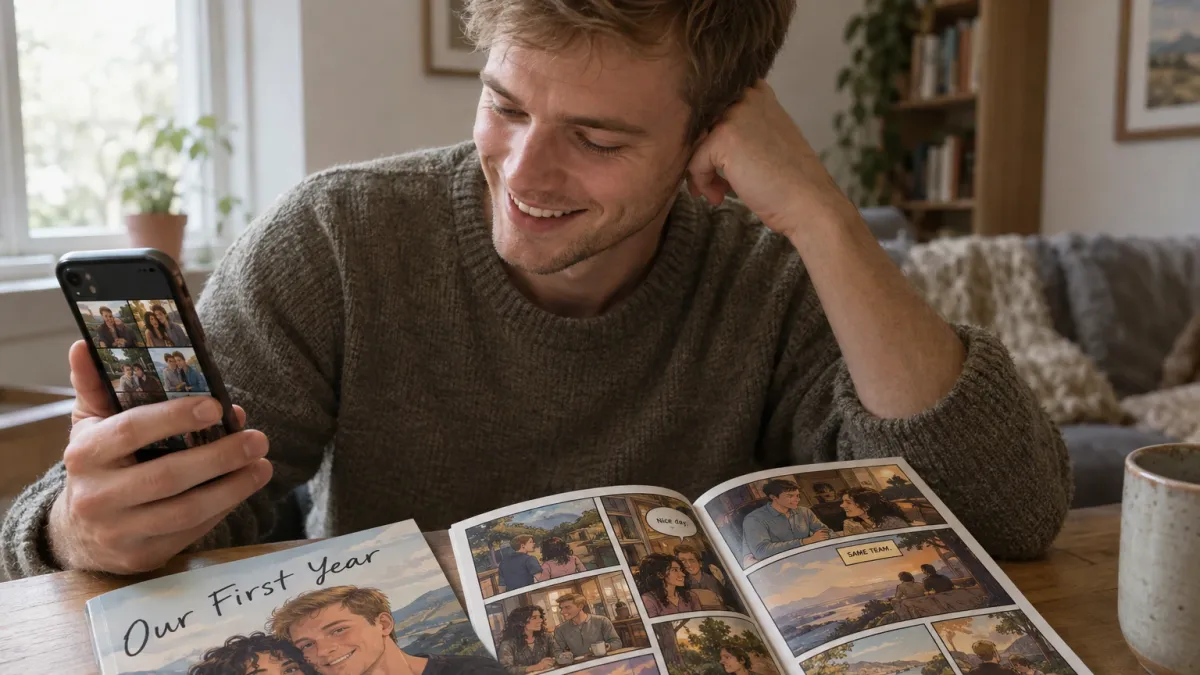
Why does a personalized comic book fit 2026 so well?
Because it sits exactly where the three findings above intersect, and almost nothing else does.
It behaves like an experience. You are not selecting an item; you are deciding what the story is about, which means spending an evening thinking specifically about one person — the trip where everything went wrong, the year they changed careers, the joke four people understand. That thinking is the gift. The book is the residue of it.
It behaves like an object. When it is printed, it goes on a shelf. It gets handed to visitors. It is still there in July, which is more than most of this list can claim.
And it is inimitable in a strict sense, not a marketing one. Most personalized gifts personalize the surface: the mug is the same mug, the canvas is the same canvas, a name has been added. Strip the name and you have a generic product. A personalized comic has no generic version to strip back to. The characters are built from photographs of real people, and the plot is something that happened to them. Nobody else can be given it, and nobody who does not know the person could have made it.
myComics.ai works this way by design. You upload photos of one or more people, it builds a reusable comic character for each of them — so the same face holds together from panel to panel rather than being re-guessed every page — you choose a style, and then the story unfolds through choices you make as you go. The result reads online, exports as a PDF, or gets printed as a real book. If you want the longer version of what changed in this category and what to compare, it is in what’s new in personalized comic books.
Two honest caveats, because they decide whether you will be happy with it. The output is a stylized likeness, closer to what a caricature artist captures than to a photograph — people arriving expecting photorealism are disappointed by something working correctly. And source photos drive everything: three to eight per person, varied angles, faces clearly visible, no heavy filters. Four minutes spent choosing photographs properly outranks every other decision you will make.
How do you make one in time for Christmas?
Work backwards, and be honest about which version you are giving.
Decide digital or printed first, because it changes the deadline and how much care the photo step deserves. A link or a PDF can be made the week before. A printed book cannot.
If it is printed, subtract twice. Take the date it needs to be in hand, subtract shipping, then subtract a buffer for the reprint you might want after reading it once properly. Start before that date. Every step here is small; on a week’s notice they add up to the difference between a gift and an apology. This is the only part of the process that is not under your control, which is exactly why it is the part to plan around.
Build one character before you plan the story. Five minutes with your own photographs tells you more than any sample gallery — including ours. If the likeness is not right, fix it there, while it costs a minute rather than a whole book.
Pick the style for the story, not for yourself. Superhero reads as celebration. Manga carries sincerity and comedy equally. Noir is funny when the subject is deadpan. Cartoon reads as affectionate, which makes it the safe pick for children and animals. The common mistake is choosing the style you like rather than the one that fits the person you are describing.
If the story has two people in it, confirm both faces before you invest an evening. In a two-person story the second face is where a weak tool gives itself away, which is why comics for couples are their own thing rather than a variant. Anniversaries, long-distance friendships and trip recaps all live here. And if you want the seasonal framing already assembled, the Christmas page is where that starts.

What is worth skipping this year?
A short list, because knowing what not to buy saves more than any deal.
Gadgets that solve a problem nobody described. The single most reliable January casualty. If they have not mentioned the problem, the device is clutter with a charging cable.
Anything whose entire personalization is a name. It is the category the research is moving away from, and recipients can tell the difference between a gift chosen for them and a gift stamped with them.
Trend-first purchases. Buying the aesthetic because it is trending, rather than because the person is already in it, produces a gift that is about the internet rather than about them. Trends are useful as a description of mood, not as a shopping list.
A second copy of something they already have a good version of. Check before you upgrade.
So what should you actually give?
The research points in one direction, and it is not a product category: give fewer things, and make each one obviously about the person receiving it.
That is a genuinely low bar for effort and a high one for attention, which is the trade most people are quietly happy to make this year. One gift that shows you were paying attention beats three that show you were shopping.
If you want the version of that which is also an object — something made in an evening, read in ten minutes, and still on a shelf next summer — a personalized comic book is the entry on this list with the longest shelf life and no duplicate anywhere. Build one character from real photographs and you will know within five minutes whether it is right for the person you have in mind.